Stories from the wild.
At YETI, we were particular about how we used "wild." This was by design. Never an adjective – never, ever an adjective. It was a term we used to describe a place that was physical and a touch metaphorical. It was more than being outside. It was what being out there drew out of you. The idea that the best of nature brings out the best of human nature.
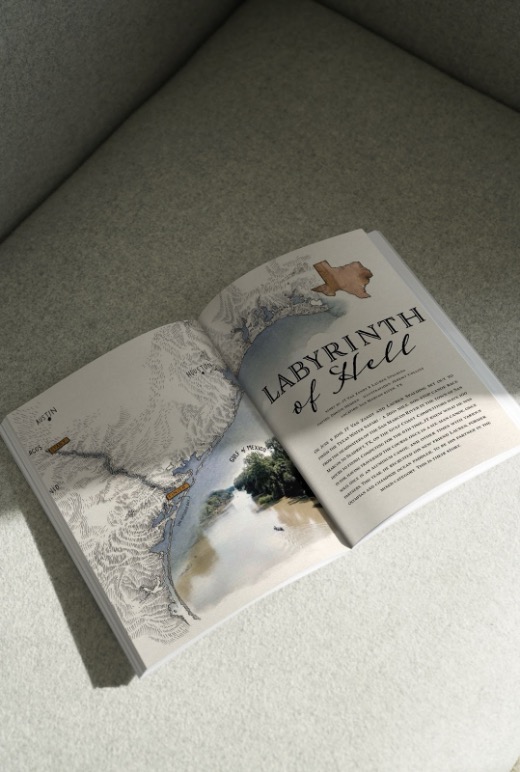
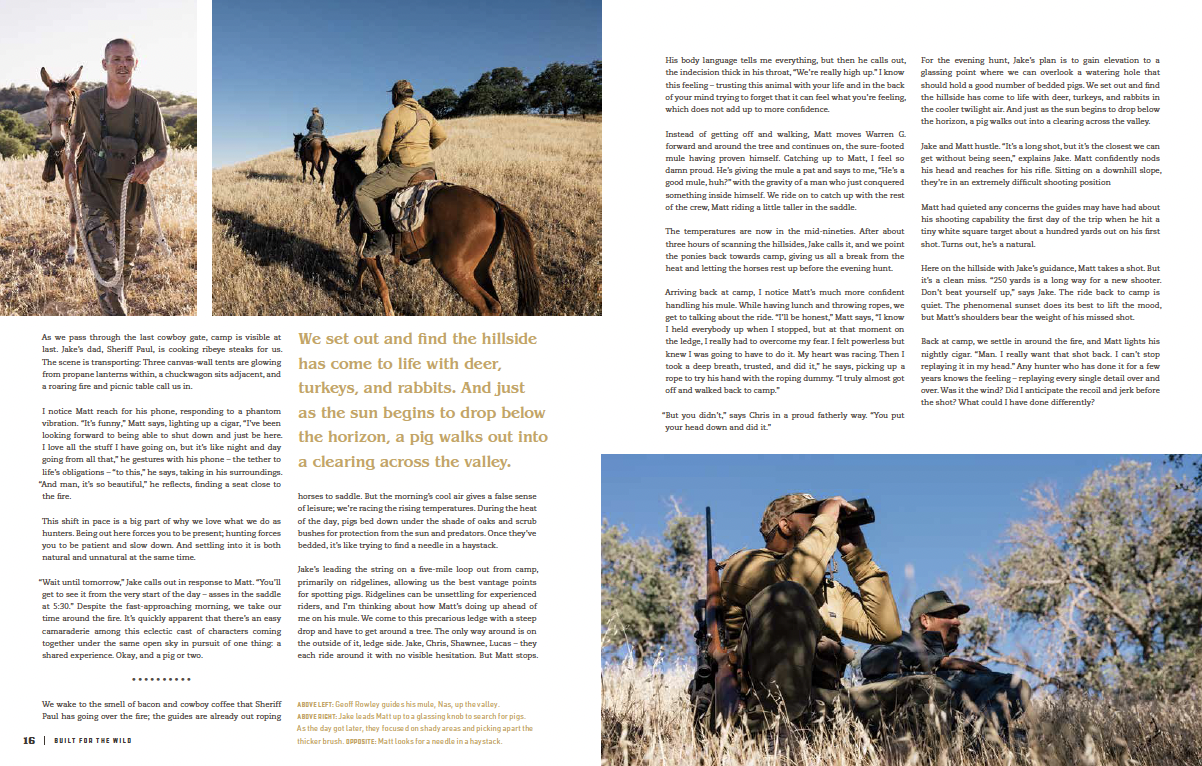
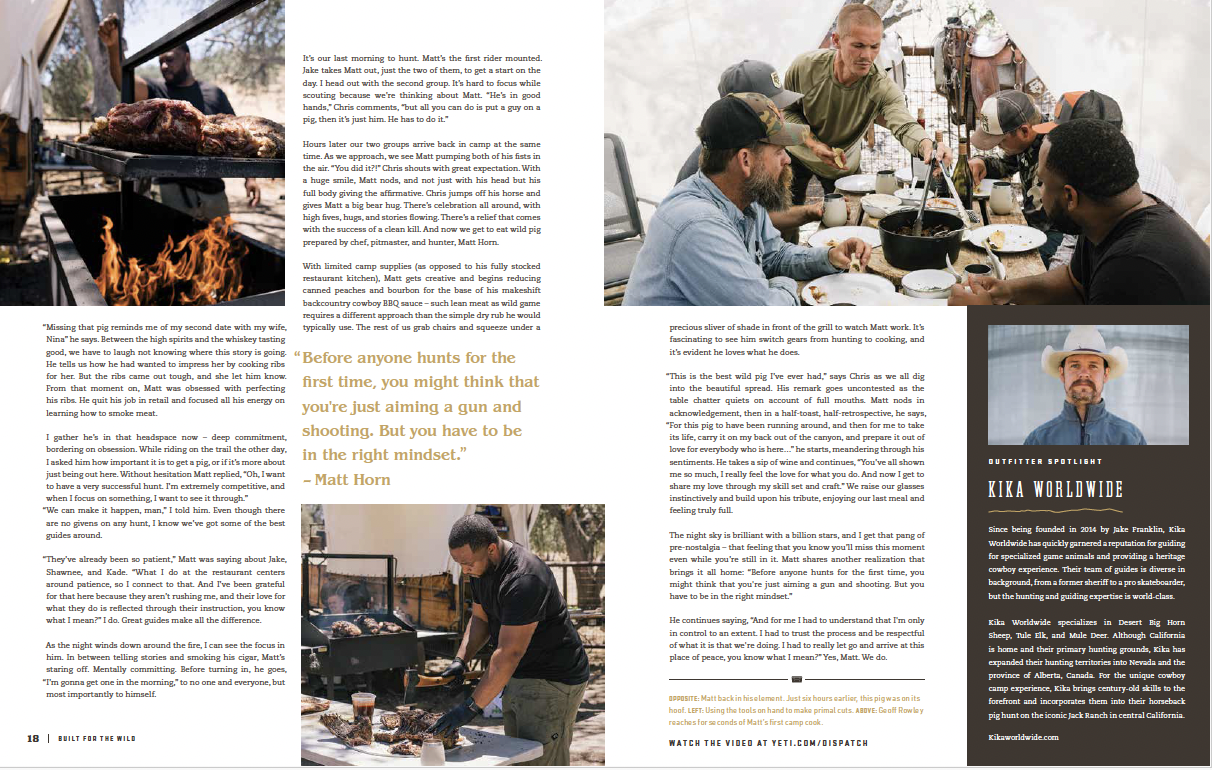
The YETI Dispatch started early on in the brand: a quarterly print magazine that highlights our people, communities, and the stories they tell. I'm fortunate enough to work on it because I feel like it's one of the best things we make.
A community of communities.
At its heart, YETI is a community of communities. The company started with two brothers who loved to fish where it was hot (really hot). Soon hunters discovered they too loved the coolers and spread the word. Then surfers, chefs, and spear fishers, and baseball players all started finding a home for our products.
The knee-jerk reaction is to start speaking to everyone with a big omnibrand. YETI never did. We kept speaking to the small communities. The local fly shops. The surf bums and WSL. The pitmasters wherever they hang out.
Small, community-led marketing isn't just a quaint homage to the people who built the brand. It's an incredible strategy if you want to stay rooted in authenticity.
A place where stories and products live together.
Every issue of the Dispatch starts with the places and stories. Where do we want to go? Who do we want to highlight? What's happening that people actually want to read about. The little story nuggets we could find. The brand ambassadors our readership had probably never heard of. Mushers in Alaska. The Jubilee in Alabama. The dark sky chasers in West Texas.
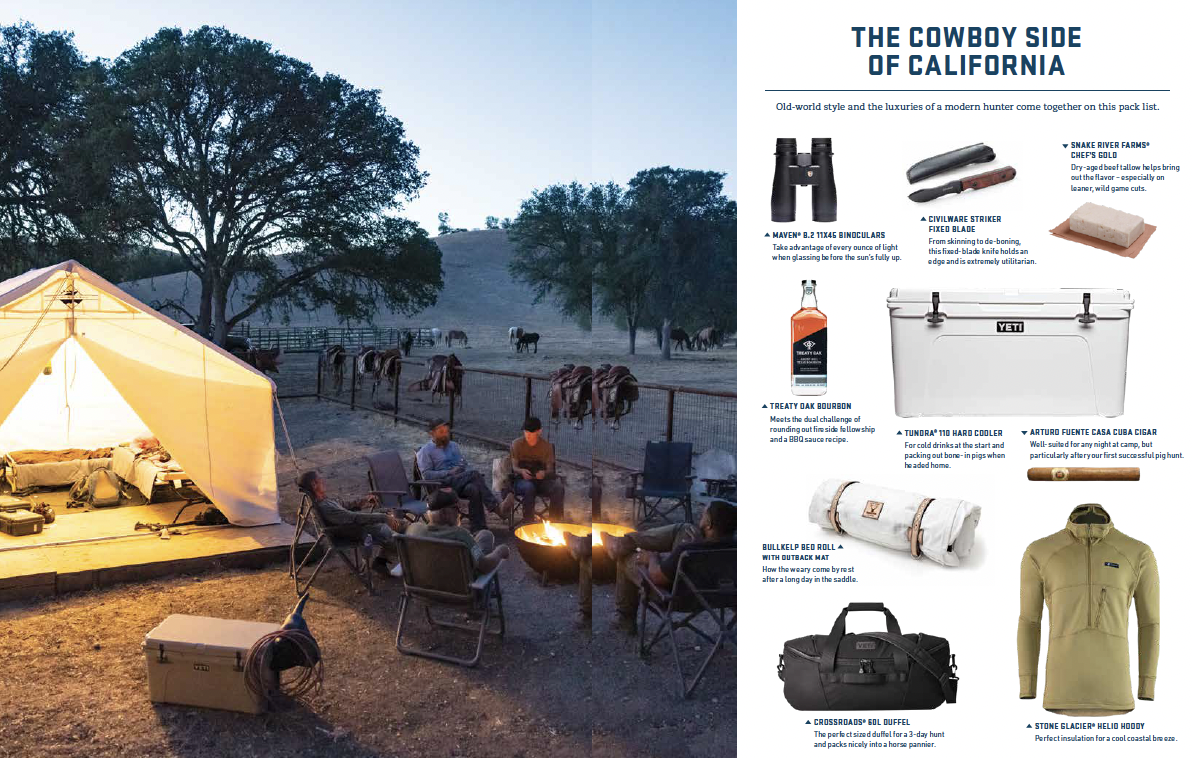
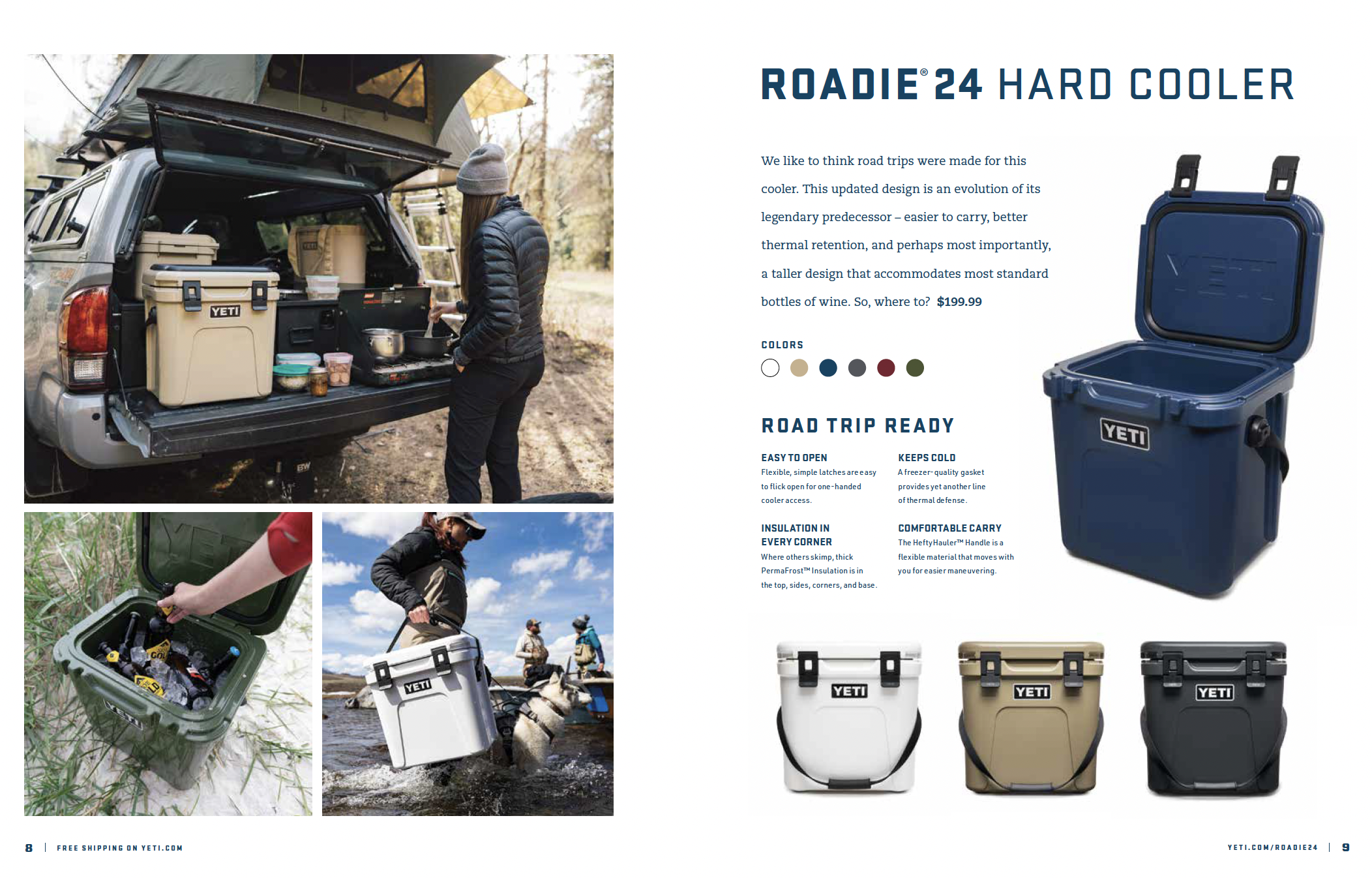
Then we'd find ways to highlight new products, colors and gear guides within the pages so they'd blend in with the stories. We never wanted them to feel like ads. Showcasing products always works when they're contextualized. We'd also include a little surprise like a sticker sheet. My kids love the stickers.
Long-form format. Long-term results.
Our mailing list grew past 1 million, then it kept growing. As the Dispatch expanded, we began using it to open doors into new markets with local stories and ambassadors. We started using our retail locations to increase subscriptions. When you can actually get someone to sign up willingly for more mailbox stuff, you know you're on the right path.
The print magazine went from brand staple to "growth lever" as my performance marketing dork friends like to say. But ultimately, at least in my opinion, the biggest benefit to the Dispatch was how it keeps the brand rooted in the places, people, and communities that matters most. It's easy to lose the plot when sales objectives need to be reached and board members need to be pleased. It's much harder to take a breath every quarter and revisit the stuff that pays off in the long run.
Going from print to online.
We kept seeing more and more success from the Dispatch, so we built an online version – a supplement with shorter articles, tips, buying guides, and even a how-to guide for building a makeshift hot tub on the beach.
The online Dispatch gave more of our stories a digital home, but we had to make sure that it didn't replace or water down the print version. Understanding what content we wanted to highlight and making it easy and natural to navigate took a lot of planning and organizing. I'd love to geek out about the content strategy and all the effort it took for hours if someone here wants to drop me a line – but I'll spare everyone else.